Stair Climbing Dolly Weight Capacity: Limits & Safety
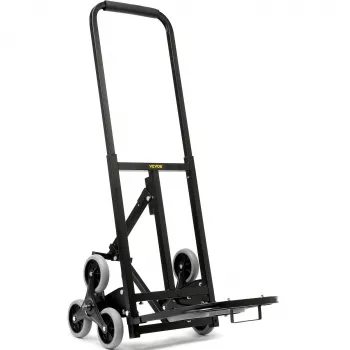
What is the weight capacity of a stair climbing dolly?
The weight capacity of a stair climbing dolly depends on the dolly’s design (manual vs. powered), its frame materials, wheel/track system, and how the load is secured. Many stair-climbing hand trucks are built to move heavy appliances, boxes, and equipment, but the safe limit can vary widely between models—so the only reliable number is the manufacturer’s rated capacity for that specific unit.
For safe use, treat the posted rating as a firm ceiling, not a goal. Capacity assumes the load is centered, strapped tightly to the frame, and the dolly is used on stairs within the manufacturer’s recommended rise/run and surface conditions. If the item is top-heavy or oddly shaped, practical capacity may be lower even if the scale weight is under the rating.
Also consider that stair climbing adds stress compared with rolling on flat ground. Steeper staircases, worn stair edges, slick finishes, and tight landings can all increase risk. Overloading can damage wheels, track assemblies, axles, and frames, and it can quickly turn into a control problem on the descent.
Before buying or using one, confirm the rated capacity on the label or spec sheet, then check whether that rating applies to stair mode, flat mode, or both. If you routinely move near the upper limit, choosing a higher-capacity model (and using proper straps and technique) helps protect both the operator and the cargo.
For a deeper breakdown of capacity ranges, what affects them, and how to choose the right model for your typical loads, visit the main guide on stair climbing dolly weight capacity.
For Stair Climbing Dolly Weight Capacity: Limits & Safety, the best answer depends on fit, material, care instructions, and how the product will be used day to day.
FAQ
How do I choose the right stair climbing dolly for appliances?
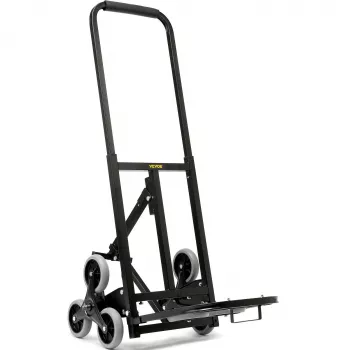
Match the dolly’s rated capacity to the heaviest appliance you move, then prioritize a sturdy frame, reliable stair-climbing mechanism, and included load straps. For tall items, choose a model with a longer toe plate and good balance control on descents.













Leave a comment