9-Inch 1800W Electric Concrete Saw: 3.5in Wet/Dry Cuts
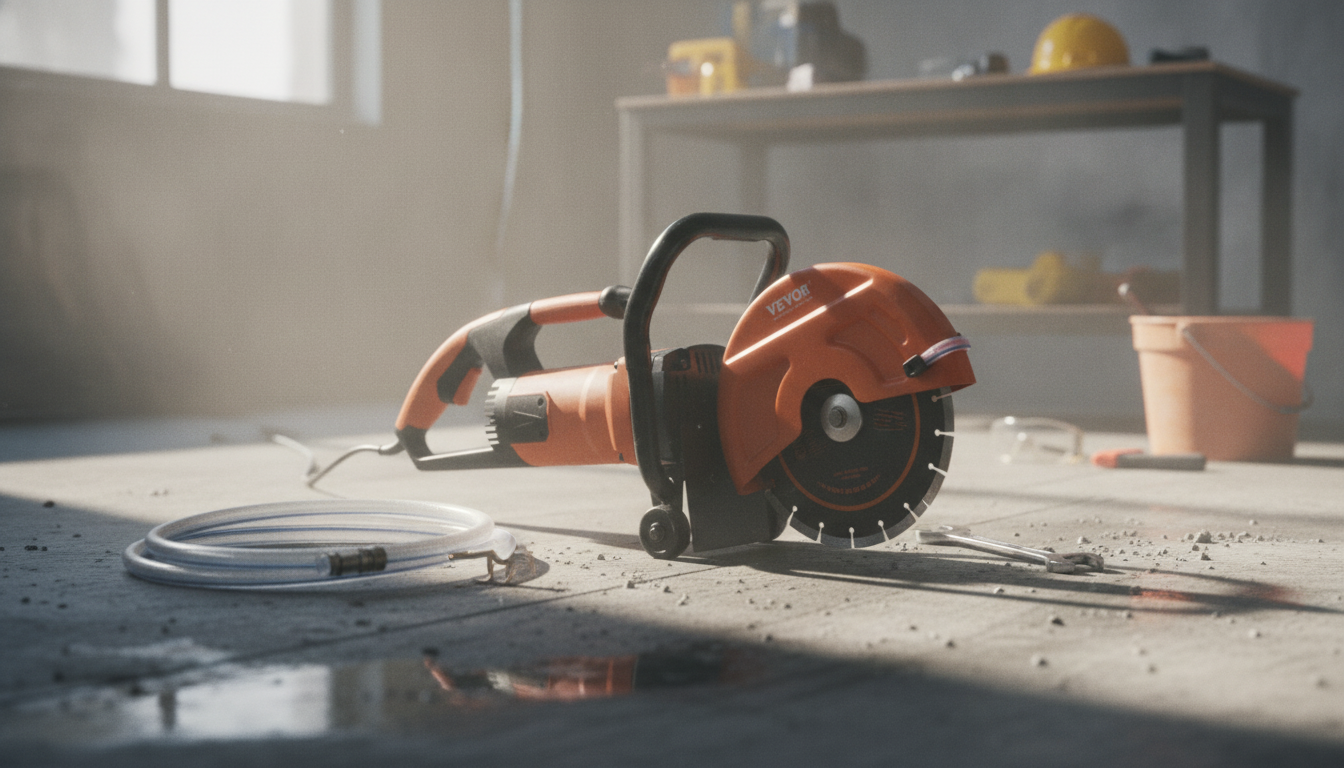
9-Inch Electric Concrete Saw (1800W): 3.5″ Depth for Wet/Dry Cutting
A 9-inch electric concrete saw is a practical choice for cutting pavers, slabs, block, and masonry where quick setup, consistent power, and controlled depth matter. With an 1800W motor, adjustable cutting depth up to 3.5 inches, and support for wet or dry cutting, this style of saw fits common renovation and small-to-mid jobsite tasks while helping manage dust and cut quality.
What this 9-inch electric concrete saw is built to do
Concrete and masonry cutting often comes down to repeatable depth control and a clean, trackable cut line. A 9-inch electric unit is designed to handle everyday jobs without the warm-up time, fuel handling, and engine maintenance of gas-powered alternatives.
- Typical uses: scoring and full-depth cuts in concrete, brick, stone, and pavers for repairs, openings, edging, and controlled demolition lines.
- Electric drive benefits: no fuel mixing, fewer routine tune-ups, and stable performance for repeated cuts across a workday.
- 9-inch blade class: a solid middle ground—portable enough to maneuver along a chalk line, yet capable of meaningful depth for many slabs and blocks.
- Depth adjustment up to 3.5 inches: helps match the cut to material thickness and reduces unnecessary overcutting into base layers.
- Wet/dry capability: run wet to reduce airborne dust and support blade life, or run dry when water management isn’t practical.
Key features that affect real-world cutting performance
Spec sheets are useful, but a concrete saw earns its keep through how steadily it holds speed, how precisely it sets depth, and how predictably it enters the material.
- 1800W motor output: supports steadier blade speed under load for straighter tracking and fewer stalls—especially when aggregate density changes mid-cut.
- Depth control: shallow passes reduce edge blowout; stepping up depth gradually often delivers a cleaner finish than forcing a deep cut immediately.
- Wet cutting hookup: a consistent water feed cools the blade, flushes abrasive fines, and helps reduce respirable silica dust.
- Guard and handle design: a stable grip and predictable entry angle help prevent wandering at the start of a cut and keep the kerf aligned.
- Power requirements: confirm your outlet/circuit can carry the load; avoid long, undersized extension cords that cause voltage drop and heat.
- Blade compatibility: verify arbor size and choose a diamond blade rated for the material (concrete, masonry, or general-purpose), plus wet/dry rating to match your method.
Wet vs. dry cutting: when each method makes sense
Both approaches can work well, but they solve different jobsite problems. Wet cutting is often the go-to for concrete because it supports dust control and helps keep the blade operating in a healthier temperature range.
- Wet cutting is preferred for most concrete: it reduces airborne dust, cools segments, and often improves cut finish—especially on longer cuts.
- Dry cutting is useful for quick outdoor cuts: ideal for touch-ups or locations where water is hard to supply; use a blade specifically rated for dry use.
- Dry-cut technique: use multiple shallow passes and let the blade work—pushing hard raises heat and increases chipping risk.
- Work area setup: keep bystanders away from the debris stream; when wet cutting, protect nearby walls and finished surfaces from slurry.
- Cleanup planning: wet cutting creates slurry that should be contained and disposed of appropriately—avoid rinsing it into storm drains.
For additional guidance on silica exposure and controls, review OSHA’s resources on respirable crystalline silica (OSHA: Respirable Crystalline Silica – Construction) and NIOSH background information (NIOSH: Silica (Respirable Crystalline)).
Safety essentials for concrete and masonry cutting
Concrete cutting can be loud, dusty, and prone to binding if the kerf closes. A few habits make a major difference in risk reduction and cut quality.
Quick setup checklist for cleaner, straighter cuts
Wet vs. Dry Cutting at a Glance
| Factor | Wet Cutting | Dry Cutting |
|---|---|---|
| Dust control | Lower airborne dust; preferred for silica control | Higher dust; requires added controls and PPE |
| Blade temperature | Cooler blade and segments | Hotter blade; may need rest intervals |
| Cut quality | Often smoother with less chipping | Can be clean, but more dependent on technique and blade |
| Setup | Needs water supply/management | Fast setup; no water handling |
| Cleanup | Slurry containment needed | Dust cleanup needed |
Product option: 9-Inch Electric Concrete Saw – 1800W, 3.5″ Depth, Wet/Dry
- Primary tool: 9-Inch Electric Concrete Saw – 1800W Cutter with 3.5″ Depth for Wet/Dry Cutting
- Power class: 1800W electric output for steady cutting through common concrete and masonry materials.
- Cutting depth: adjustable up to 3.5 inches for many slab, paver, and block thicknesses.
- Blade size: 9-inch class for a practical balance of reach and maneuverability around edges and corners.
- Wet/dry use: choose water-assisted cutting for dust and temperature control, or dry cutting for fast outdoor setup.
For jobsite comfort items that pair well with dusty, sunny outdoor work, consider a lightweight top and a brimmed cap: Nike Women’s Black Round Neck T-Shirt and Nike Men’s Green Cap with Print.
FAQ
What is the best electric concrete saw?
The best electric concrete saw is the one that matches your required cutting depth, blade diameter, and power for the material you’re cutting. Prioritize wet-cut capability for dust control, a stable depth adjustment for accuracy, and a compatible diamond blade rated for concrete or masonry.















Leave a comment